
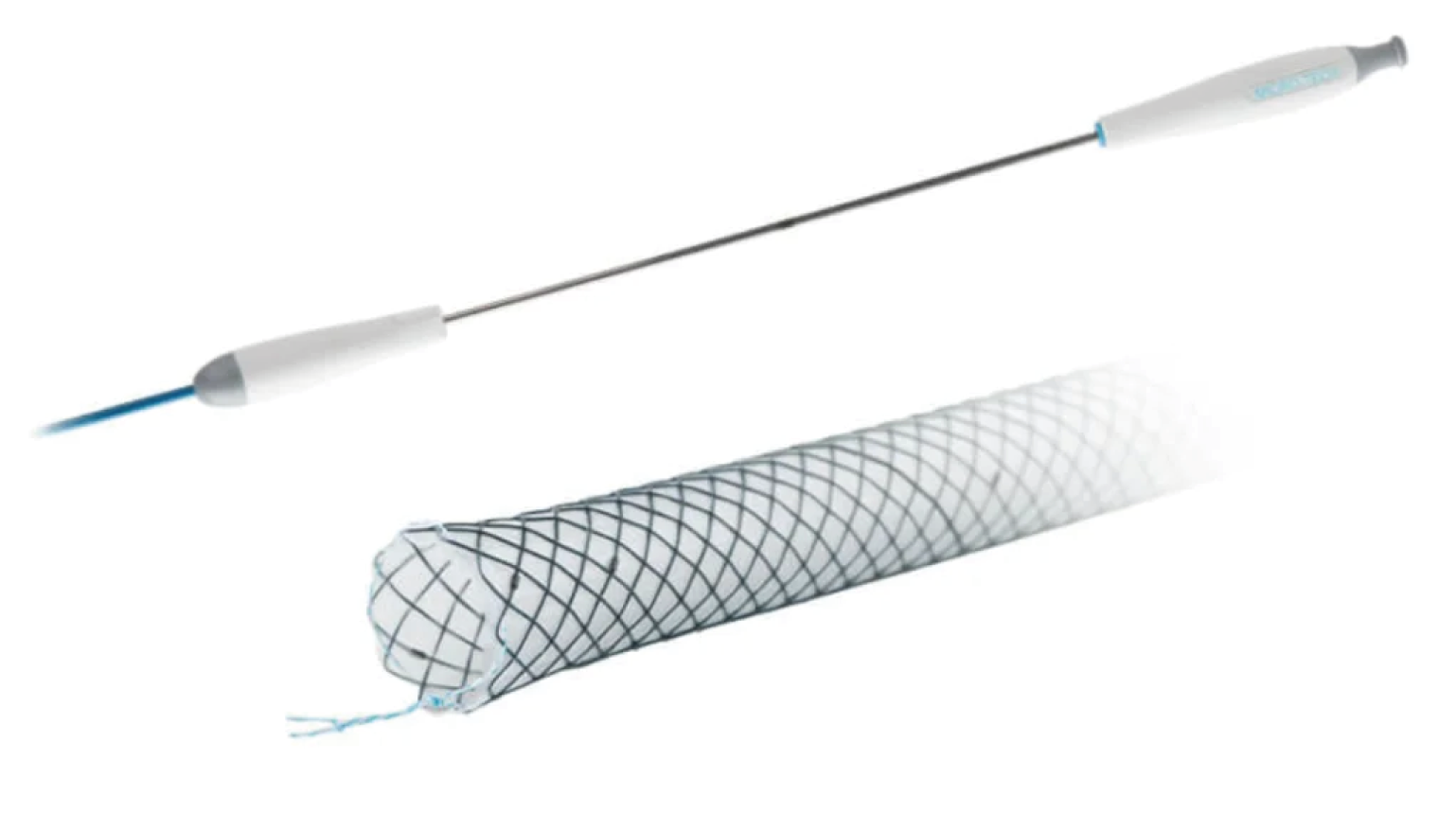
Comprehensive Guide to Biliary Stents: Uses, Types, and Benefits
Introduction
Biliary stents are essential medical devices used to treat bile duct obstructions and ensure proper bile flow. These obstructions often arise in patients with liver or gallbladder issues. In this guide, we’ll explore the different types of biliary stents, their uses, and the benefits they offer in medical treatments.
What Are Biliary Stents?
Biliary stents are small tube-like devices that keep the bile ducts open, allowing bile to flow from the liver to the small intestine. They are commonly used to treat conditions such as:
-
- Bile duct strictures
-
- Bile duct cancers
-
- Other obstructions that block normal bile flow
Types of Biliary Stents
There are three primary types of biliary stents, each offering different benefits depending on the condition being treated:
-
- Metallic Stents
-
- Made from materials like stainless steel or nickel-titanium.
-
- Durable and long-lasting.
-
- Commonly used in cases of malignant bile duct strictures.
-
- Metallic Stents
-
- Plastic Stents
-
- Typically made from polyethylene.
-
- Used for short-term or temporary relief.
-
- Ideal for less complex cases or conditions expected to improve over time.
-
- Plastic Stents
-
- Covered Stents
-
- Coated to prevent tissue growth into the stent.
-
- Reduce the risk of blockage.
-
- Offer improved long-term effectiveness.
-
- Covered Stents
Applications of Biliary Stents
Biliary stents are used in various medical situations to improve bile duct function. Their applications include:
-
- Managing Bile Duct Obstructions
Stents ensure continuous bile flow, alleviating symptoms and preventing further complications.
- Managing Bile Duct Obstructions
-
- Treating Bile Duct Strictures
When the bile duct narrows due to inflammation or scarring, stents help widen the duct and restore normal function.
- Treating Bile Duct Strictures
-
- Supporting Cancer Patients
In bile duct cancer cases, stents relieve symptoms such as jaundice caused by the obstruction.
- Supporting Cancer Patients
Benefits of Biliary Stents
The primary benefits of biliary stents include:
-
- Improved Bile Flow
Biliary stents keep the ducts open, allowing bile to flow freely and alleviating symptoms like jaundice and abdominal pain.
- Improved Bile Flow
-
- Reduced Risk of Complications
Proper stent placement prevents severe complications, such as infections or liver damage.
- Reduced Risk of Complications
-
- Enhanced Quality of Life
Many patients experience an improved quality of life, thanks to reduced symptoms and better overall health after stent placement.
- Enhanced Quality of Life
Choosing the Right Biliary Stent
Selecting the right biliary stent depends on various factors, including:
-
- The patient’s specific condition
-
- The location and severity of the obstruction
-
- The expected duration of treatment
Consulting with a healthcare professional is essential for determining the best stent type for each individual case.
Conclusion
Biliary stents are vital tools for managing bile duct obstructions and improving patient outcomes. By understanding the types, uses, and benefits of biliary stents, patients and healthcare providers can make more informed treatment decisions.
reference:Micro-Tech
One thought on “Comprehensive Guide to Biliary Stents: Uses, Types, and Benefits”
Arista Williamson
October 15, 2020Lorem ipsum dolor sit amet, consectetur adipisicing elit, sed do eiusmod tempor incididunt ut labore et dolore magna aliqua. Ut enim ad minim veniam, quis nostrud exercitation ullamco laboris nisi ut aliquip ex ea commodo consequat.